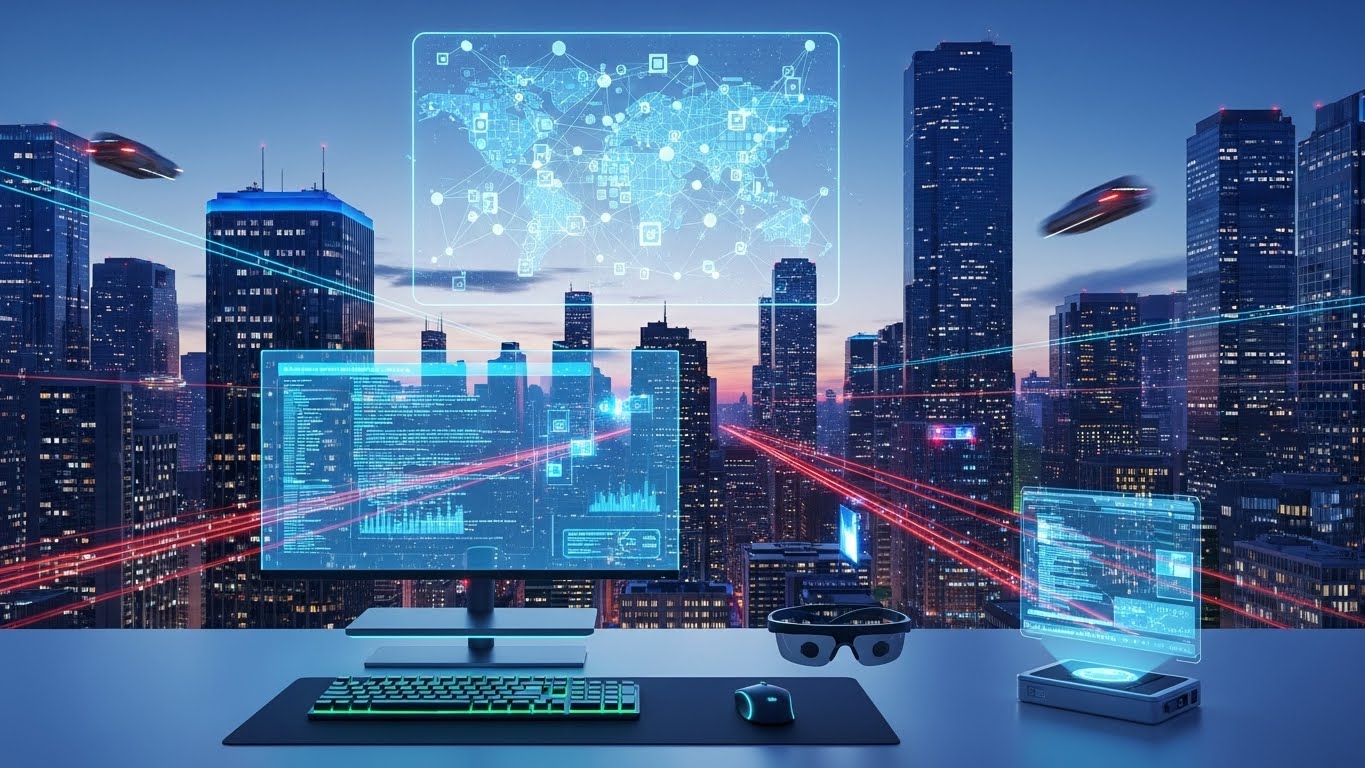

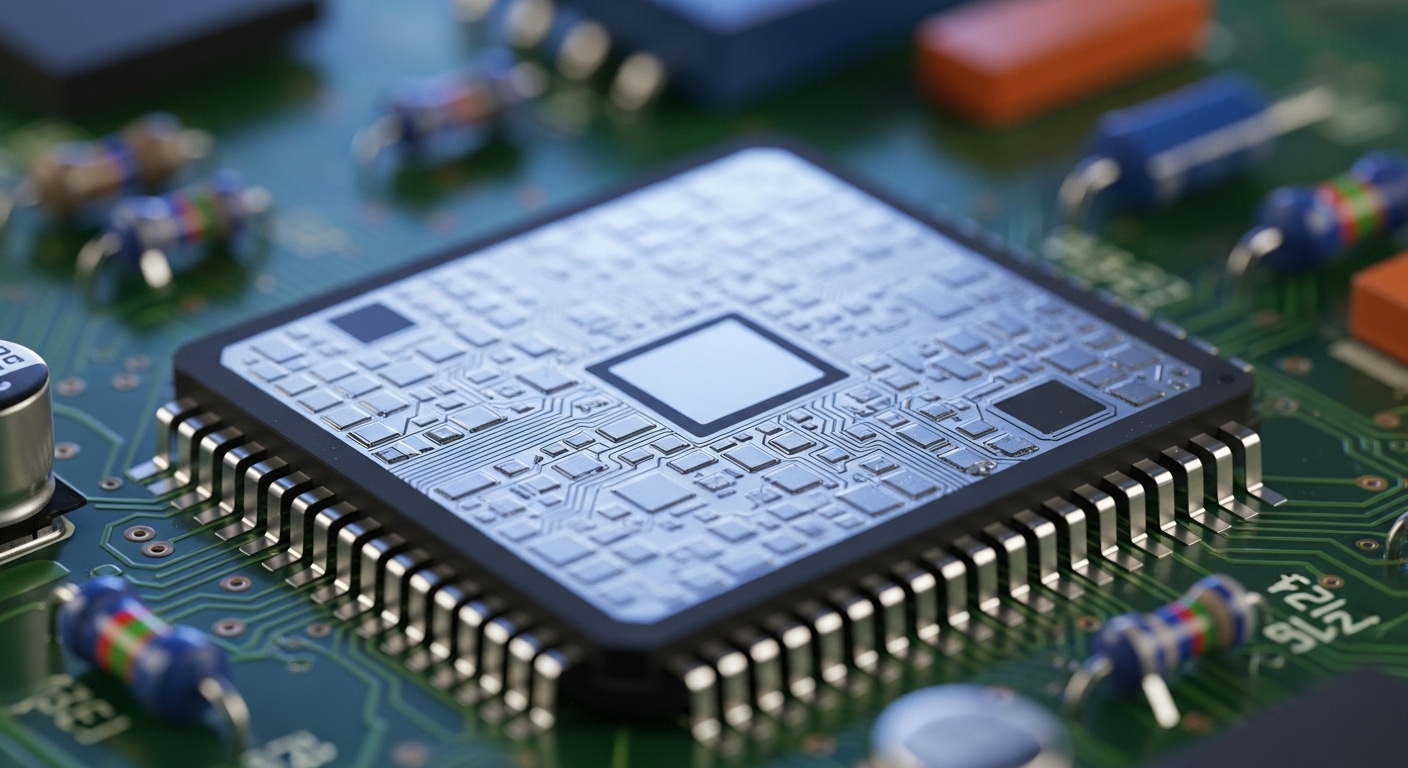
Technology has become the defining force of the 21st century. It influences how we communicate, work, learn, and even think. Every day, new innovations are transforming industries, connecting people, and creating opportunities that were unimaginable just a few decades ago. From artificial intelligence and smart devices to cloud computing and virtual reality, technology is not just a tool—it is a way of life. This blog explores how technology is shaping the modern world and what the future holds for individuals and society at large.
The Evolution of Technology
The evolution of technology is a story of human ingenuity. Early inventions like the wheel, printing press, and electricity laid the foundation for modern innovations. The 20th century introduced computers, mobile phones, and the internet, connecting the world in ways that had never been possible.
In recent decades, technological development has accelerated at an unprecedented pace. Cloud computing, artificial intelligence, and the Internet of Things have moved from concepts to essential components of everyday life. This rapid evolution has made technology not only accessible but indispensable, changing the way we live, work, and interact with the world around us.
Artificial Intelligence and Machine Learning
Artificial intelligence (AI) is transforming industries by allowing machines to perform tasks that previously required human intelligence. AI systems can analyze vast amounts of data, recognize patterns, and make decisions with remarkable speed and accuracy. Machine learning, a subset of AI, enables systems to improve automatically over time by learning from experience.
AI applications are vast. In healthcare, AI assists in early diagnosis, personalized treatment plans, and predictive analytics. In business, AI optimizes supply chains, enhances customer experiences, and streamlines operations. Even creative industries leverage AI for design, music, and content generation. As AI continues to advance, it has the potential to redefine what humans can accomplish, making work smarter and more efficient.
The Internet of Things and Smart Devices
The Internet of Things (IoT) connects everyday devices, enabling them to collect and share data. Smart homes, wearable technology, and connected vehicles are becoming increasingly common, providing convenience, efficiency, and real-time insights.
In homes, IoT devices monitor energy use, manage security, and track health metrics. In industries, sensors predict equipment failures, optimize production, and reduce waste. This network of connected devices not only improves efficiency but also provides actionable data, allowing people and organizations to make informed decisions.
Cloud Computing and Remote Collaboration
Cloud computing has revolutionized the way data is stored and accessed. It allows individuals and organizations to work from anywhere while maintaining secure, centralized storage of information. Cloud technology enables scalability, reduces infrastructure costs, and supports real-time collaboration.
Remote work has become increasingly feasible due to cloud-based applications. Teams can communicate, share files, and manage projects regardless of location. Additionally, cloud platforms support advanced technologies such as AI, big data analytics, and machine learning, accelerating innovation and digital transformation across industries.
Cybersecurity in a Connected World
As technology becomes more integrated into our lives, cybersecurity has become a critical priority. Data breaches, malware attacks, and identity theft are major risks that require robust protection strategies. Ensuring privacy and security is essential for individuals, businesses, and governments alike.
Modern cybersecurity solutions include encryption, multi-factor authentication, and AI-driven threat detection. Organizations also educate employees and users about safe digital practices. As more devices connect to the internet and more data moves online, cybersecurity is no longer optional—it is fundamental to the trust and safety of digital ecosystems.
5G Technology and Enhanced Connectivity
The advent of 5G networks is transforming communication and connectivity. Compared to previous generations, 5G offers faster speeds, lower latency, and the ability to connect more devices simultaneously. This technology supports innovations such as autonomous vehicles, telemedicine, and immersive virtual experiences.
5G also enables smart cities by improving transportation, energy management, and public safety systems. High-speed connectivity facilitates real-time data exchange, empowering industries and individuals to operate more efficiently and effectively. The rollout of 5G is not just about faster internet; it is a foundation for the next wave of digital innovation.
Virtual Reality and Augmented Reality
Virtual reality (VR) and augmented reality (AR) are redefining how we interact with digital content. VR immerses users in fully simulated environments, while AR overlays digital information on the real world. These technologies are transforming entertainment, education, healthcare, and business.
In education, VR and AR provide interactive, immersive learning experiences, allowing students to explore complex concepts in engaging ways. Surgeons use AR for precision during operations, and companies employ VR for virtual product demonstrations and training. These technologies bridge the gap between the physical and digital worlds, offering experiences that are both innovative and practical.
Technology in Healthcare
Healthcare has been one of the most impacted sectors by technology. Telemedicine allows patients to consult doctors remotely, increasing access to medical services. Wearable devices monitor vital signs, enabling proactive health management. AI and machine learning assist in early diagnosis, treatment planning, and research.
Robotic-assisted surgeries enhance precision and reduce recovery times. Electronic health records streamline patient data management, ensuring continuity of care. Overall, technology in healthcare improves efficiency, patient outcomes, and access to medical expertise, demonstrating how innovation can enhance quality of life.
The Future of Work
Technology is transforming the workplace. Remote work, virtual collaboration tools, and digital communication platforms have redefined traditional office environments. Employees can now work efficiently from anywhere, balancing productivity with flexibility.
Automation and AI are shifting job roles, eliminating repetitive tasks while creating demand for skills in data analysis, cybersecurity, digital marketing, and other tech-driven fields. Continuous learning and adaptability have become essential for career growth in a world increasingly shaped by technology. The future of work will involve collaboration between humans and machines, where technology augments rather than replaces human potential.
Sustainable Technology
Technology plays a vital role in promoting sustainability and environmental responsibility. Renewable energy sources such as solar and wind, smart grids, and energy-efficient devices reduce carbon footprints. Electric vehicles and AI-optimized transportation systems further contribute to a cleaner, greener future.
In agriculture, smart sensors and precision farming reduce resource use while maximizing yield. Green technology illustrates how innovation can address environmental challenges while maintaining economic growth and improving quality of life. Sustainability and technology are now inseparable, driving responsible progress worldwide.
Ethical Considerations in Technology
With rapid technological advancements, ethical concerns have become increasingly important. Data privacy, algorithmic bias, digital accessibility, and equitable access to technology must be considered to ensure responsible innovation.
Developers, businesses, and policymakers must prioritize transparency, accountability, and inclusivity. Ethical frameworks guide the creation of technologies that empower rather than harm individuals and communities. Balancing innovation with ethics ensures that technological progress contributes positively to society.
The Future of Technology
The future of technology promises continued transformation. Emerging areas such as quantum computing, biotechnology, and AI-driven research have the potential to solve complex global challenges. Innovations in immersive technologies, renewable energy, and smart infrastructure will redefine daily life, work, and education.
The integration of technology into all aspects of society requires careful consideration of ethics, sustainability, and inclusivity. By approaching innovation responsibly, humanity can harness technology to improve lives, protect the environment, and create opportunities for future generations.
Conclusion
Technology is no longer just a tool—it is the foundation of modern society. Artificial intelligence, cloud computing, smart devices, virtual reality, and sustainable innovation are transforming industries and redefining human potential. The pace of technological advancement continues to accelerate, offering both opportunities and challenges.
To maximize the benefits of technology, we must embrace innovation responsibly, ethically, and sustainably. Technology has the power to improve efficiency, enhance quality of life, and solve pressing global issues. As we navigate the digital age, it is clear that technology will remain the driving force shaping the world for generations to come.