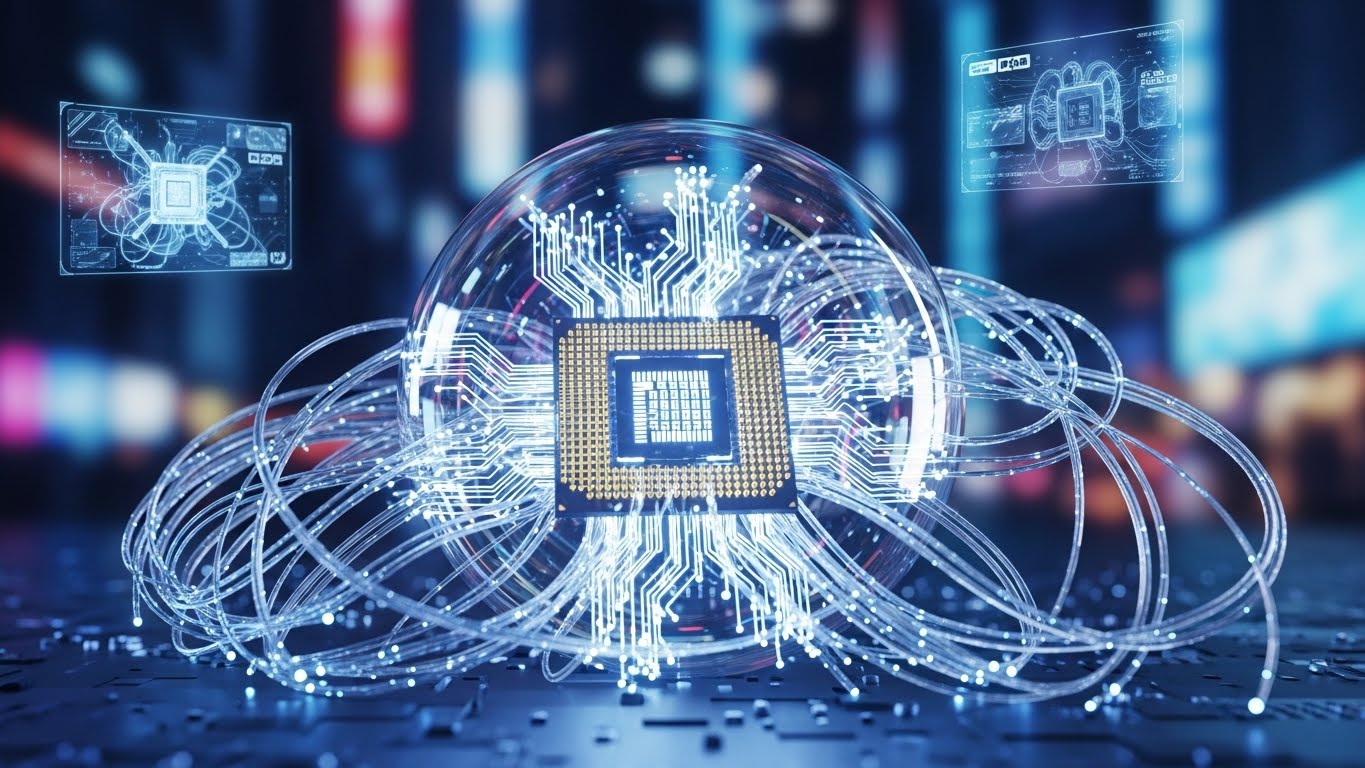

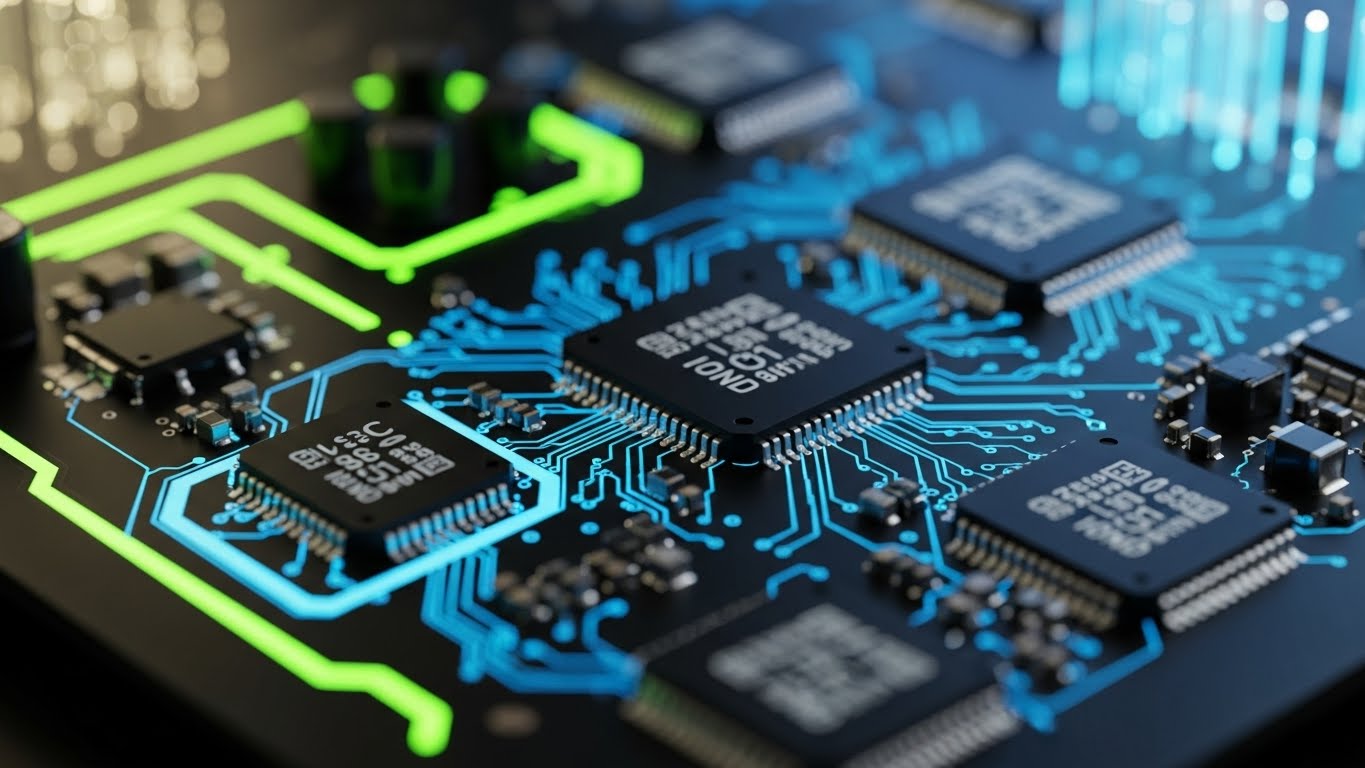
Technology has always been a driving force behind societal transformation. From the invention of the wheel to the rise of the internet, every significant leap in human history has been fueled by innovation. Today, we are standing on the threshold of a new era, where technologies like artificial intelligence, quantum computing, and biotechnology are not just concepts but tangible forces reshaping the way we live, work, and interact. In this blog, we will explore some of the most exciting technological trends and examine how they are influencing the modern world.
The Rise of Artificial Intelligence
Artificial intelligence (AI) is no longer a futuristic concept confined to science fiction. It has become a crucial part of daily life, from personalized recommendations on streaming platforms to intelligent assistants in smartphones and smart homes. AI systems are designed to analyze massive amounts of data, recognize patterns, and make decisions faster than any human could.
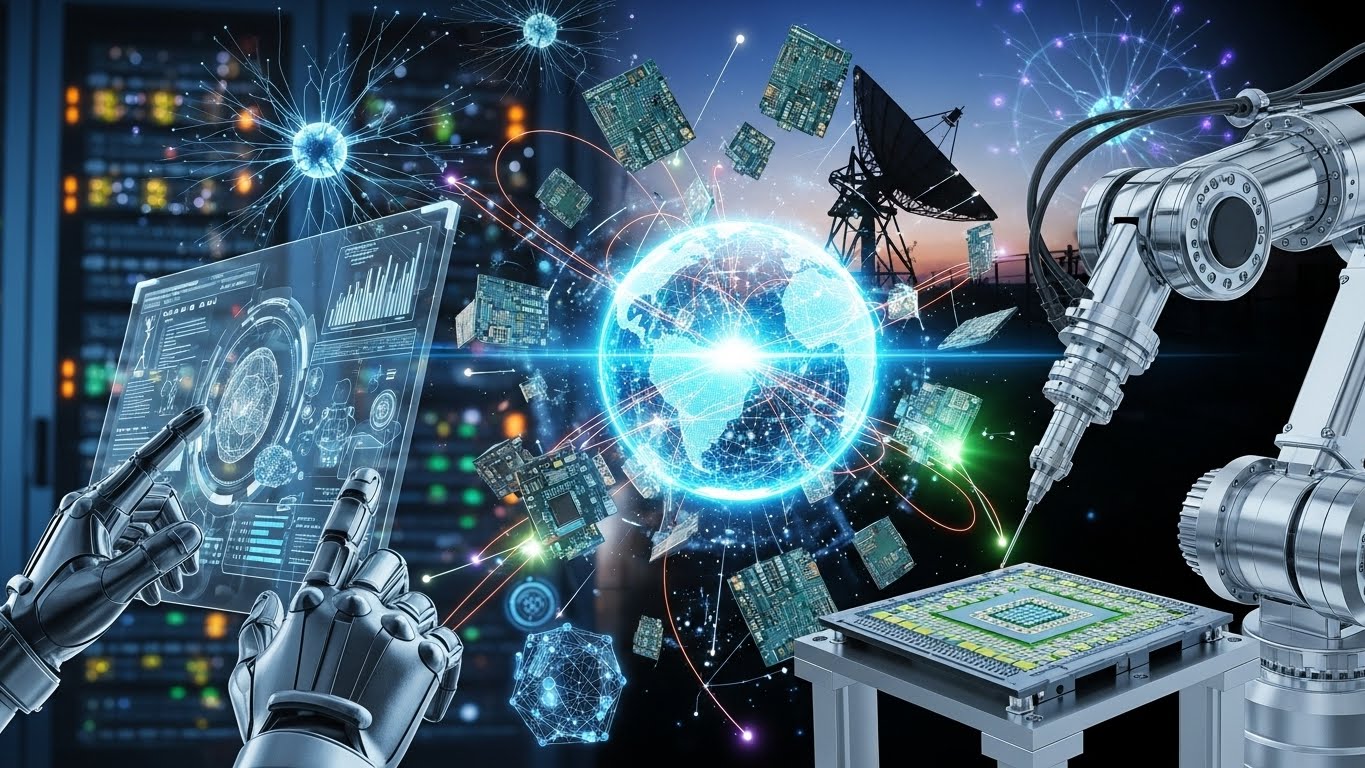
One of the most significant impacts of AI is in the realm of automation. Industries are using AI to streamline operations, reduce human error, and improve efficiency. For instance, manufacturing plants now employ AI-driven robots to assemble products with precision and speed, while supply chain companies use AI to predict demand and optimize logistics.
Beyond industrial applications, AI is transforming healthcare. Algorithms can now analyze medical images, detect anomalies, and even assist in diagnosing diseases earlier than traditional methods. As AI continues to evolve, its potential to revolutionize education, finance, and entertainment will become increasingly evident.
Quantum Computing: The Next Frontier
While classical computers have served us well for decades, they are approaching their physical and computational limits. Quantum computing offers a new paradigm, utilizing the principles of quantum mechanics to perform calculations at unprecedented speeds. Unlike traditional bits, which represent either a 0 or a 1, quantum bits, or qubits, can exist in multiple states simultaneously. This property, known as superposition, allows quantum computers to process complex problems much faster than classical systems.
Quantum computing has enormous potential in fields such as cryptography, drug discovery, and climate modeling. For example, quantum simulations could enable scientists to design new materials or medicines in a fraction of the time it currently takes. However, the technology is still in its early stages, and significant challenges remain, including maintaining qubit stability and reducing error rates. Despite these hurdles, the race to achieve practical quantum computing is intensifying, promising a future where problems once considered unsolvable may become manageable.
The Internet of Things and a Connected World
The Internet of Things (IoT) is another transformative technology that is redefining the way we interact with our environment. IoT refers to the network of physical devices—ranging from smart thermostats to industrial sensors—that are connected to the internet, enabling them to collect and share data.
This interconnectedness allows for unprecedented levels of automation and intelligence in everyday devices. Smart homes now allow residents to control lighting, temperature, and security systems remotely through smartphones or voice commands. In industrial settings, IoT sensors monitor equipment performance in real-time, predict maintenance needs, and prevent costly breakdowns.
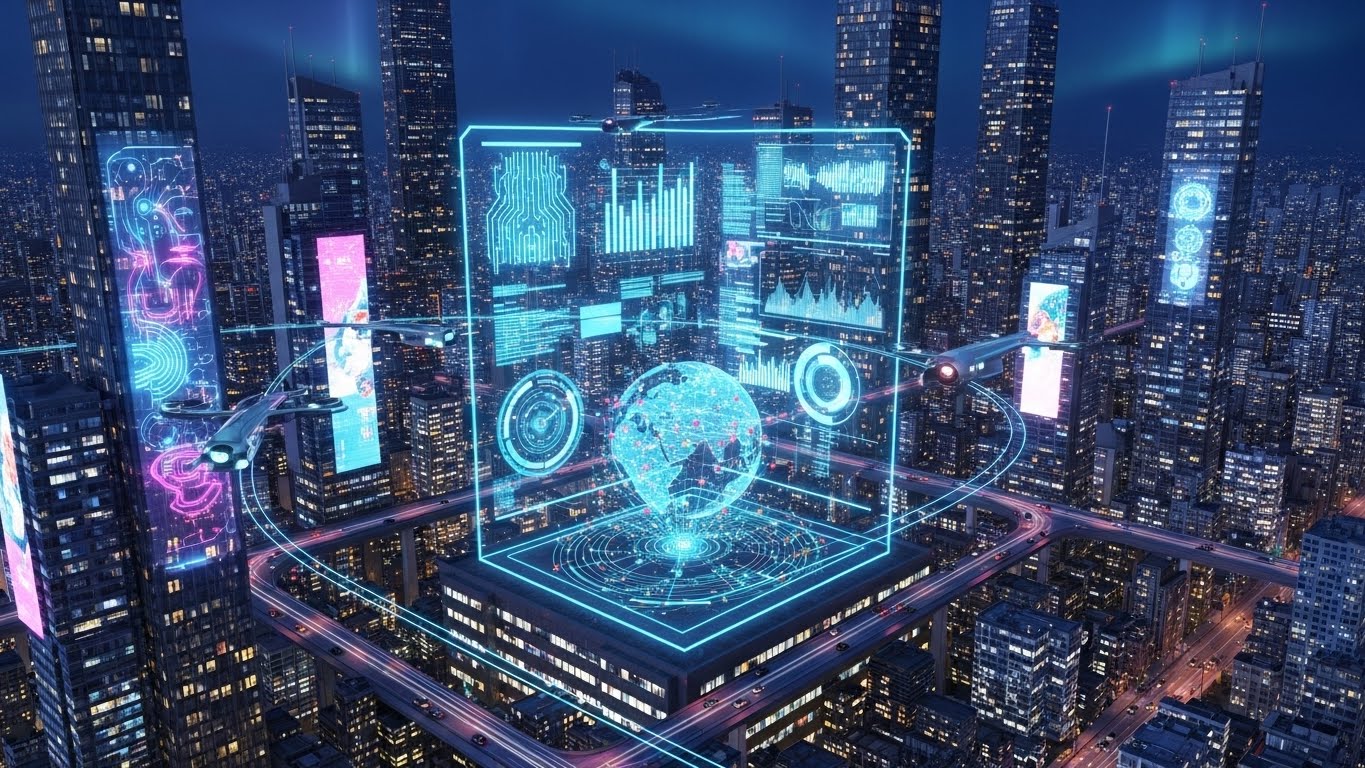
IoT is also playing a critical role in urban planning. Cities are increasingly adopting “smart” infrastructure, where traffic systems, waste management, and energy grids are optimized through real-time data. As more devices become connected, the potential for IoT to improve efficiency, reduce costs, and enhance quality of life will only grow.
Biotechnology: Merging Biology and Technology
Biotechnology is no longer confined to laboratories or specialized research centers. Advances in genetic engineering, synthetic biology, and personalized medicine are bringing biotech into everyday life. Techniques like CRISPR-Cas9 allow scientists to edit genes with remarkable precision, potentially curing genetic disorders that were previously untreatable.
Biotechnology is also transforming agriculture. Scientists are developing genetically modified crops that are more resistant to pests, diseases, and climate change. These innovations promise to increase food security and reduce the environmental impact of traditional farming methods.
Healthcare is another area benefiting from biotech breakthroughs. Personalized medicine, powered by genetic analysis, enables treatments to be tailored to an individual’s unique genetic makeup. This approach not only improves effectiveness but also reduces side effects, heralding a new era of patient-centric care.
Renewable Energy and Sustainable Tech
As concerns about climate change grow, renewable energy and sustainable technologies have become essential. Solar, wind, and hydroelectric power are no longer niche alternatives—they are increasingly mainstream solutions for meeting global energy demands. Technological advancements have made these energy sources more efficient and cost-effective, paving the way for a sustainable future.
Energy storage technologies, such as advanced batteries, are equally crucial. They allow for the efficient capture and use of renewable energy, ensuring consistent power supply even when the sun isn’t shining or the wind isn’t blowing. In addition, smart grids are being developed to manage energy distribution more effectively, reducing waste and improving resilience.
Sustainable tech is not limited to energy production. Innovations in material science are leading to biodegradable packaging, recyclable electronics, and carbon-neutral manufacturing processes. Together, these technologies are helping to create an economy that balances growth with environmental responsibility.
The Evolution of Communication Technologies
Communication technology has always been central to human progress, and recent innovations are taking it to new heights. The rollout of 5G networks, for example, promises faster, more reliable connectivity, enabling new applications in areas like augmented reality, telemedicine, and autonomous vehicles.
Virtual and augmented reality technologies are changing the way people interact with digital content. VR can transport users into immersive environments for gaming, education, or training, while AR overlays digital information onto the real world, enhancing productivity and engagement. These technologies are increasingly being integrated into workplaces, classrooms, and entertainment, creating experiences that were once unimaginable.
Artificial intelligence is also enhancing communication by powering real-time translation tools, advanced voice assistants, and content personalization. As these technologies continue to mature, they will make global collaboration more seamless and intuitive.
Cybersecurity in an Increasingly Digital World
As technology becomes more integrated into our daily lives, cybersecurity has emerged as a critical concern. Data breaches, ransomware attacks, and identity theft are growing threats, making robust security measures essential for individuals and organizations alike.
The rise of AI and IoT devices has expanded the attack surface for cybercriminals, but it has also enabled the development of advanced cybersecurity tools. AI-powered security systems can detect unusual activity, identify vulnerabilities, and respond to threats in real-time, offering a more proactive approach than traditional methods.
Additionally, encryption, multi-factor authentication, and blockchain technology are helping secure sensitive information. As cyber threats evolve, so too must our strategies for protecting digital assets, ensuring that technology remains a tool for progress rather than a source of risk.
Ethical Considerations and the Human Factor
While technology offers incredible potential, it also raises important ethical questions. The widespread adoption of AI, for example, has sparked debates about privacy, bias, and job displacement. Autonomous systems and AI decision-making must be transparent and accountable to prevent unintended consequences.
Similarly, biotechnology raises questions about the limits of genetic manipulation, consent, and equitable access to medical advances. As society embraces technological innovation, it is essential to balance progress with ethical responsibility, ensuring that advancements serve the greater good.
The human factor remains central to all technological progress. Innovation should not just focus on what is possible but also on what is responsible and beneficial. By integrating ethical frameworks and fostering public dialogue, we can ensure that technology empowers humanity rather than undermining it.
Conclusion: Embracing a Tech-Driven Future
The pace of technological advancement is accelerating, and its influence is felt across every aspect of society. Artificial intelligence, quantum computing, IoT, biotechnology, renewable energy, communication innovations, and cybersecurity are reshaping the way we live, work, and interact with the world.
Embracing these technologies offers enormous opportunities for improving efficiency, solving complex problems, and enhancing quality of life. However, it also requires careful consideration of ethical implications, privacy, and sustainability. By approaching innovation thoughtfully, we can harness technology to create a future that is not only advanced but also equitable, responsible, and human-centered.
The future of technology is not just about machines and algorithms; it is about the possibilities they unlock for people. As we continue to explore and innovate, one thing is certain: the best is yet to come.