
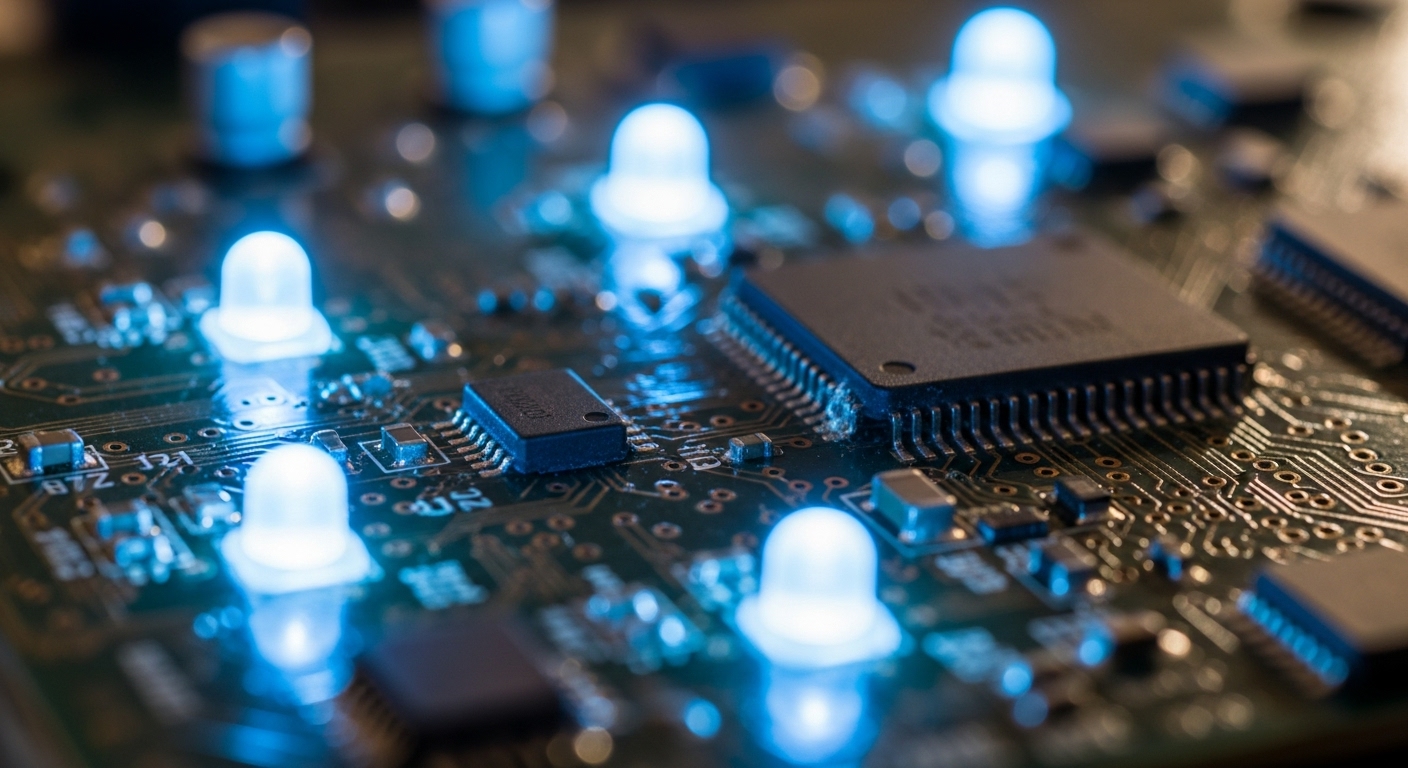
Technology has always been a catalyst for change, but in recent years, its rate of advancement has accelerated, reshaping almost every aspect of our lives. From artificial intelligence to blockchain, the tools of tomorrow are already beginning to make a significant impact on industries, society, and the way we interact with the world. In this blog post, we’ll explore some of the most exciting innovations in the tech landscape and how they are transforming the future as we know it.
The Era of Artificial Intelligence: Machines That Think and Learn
Artificial intelligence (AI) has rapidly moved from being a niche area of research to a pervasive force in nearly every industry. Today, AI is not just about automation or data analysis; it’s about creating machines that can learn, adapt, and make decisions in ways that mimic human thought processes. Machine learning, a subset of AI, allows systems to improve their performance over time by processing vast amounts of data and identifying patterns.
In sectors like healthcare, AI is already making a significant impact. Algorithms can analyze medical images to detect early signs of diseases such as cancer, while AI-driven tools help doctors diagnose conditions more accurately and efficiently. In finance, AI is used for fraud detection, stock trading, and risk analysis. Meanwhile, in customer service, AI-powered chatbots and virtual assistants are providing personalized, real-time support to millions of users.
However, the rise of AI also raises important ethical questions about privacy, job displacement, and decision-making accountability. As AI continues to evolve, it will be crucial for society to strike a balance between innovation and responsibility.
Quantum Computing: The Next Frontier in Computing Power
While most of the tech innovations today focus on improving existing technologies, quantum computing represents a fundamental shift in how we approach problem-solving. Unlike traditional computers, which process data in binary (0s and 1s), quantum computers harness the principles of quantum mechanics to process information in a fundamentally different way.
Quantum computing’s potential lies in its ability to solve complex problems that are currently beyond the capabilities of classical computers. Tasks such as drug discovery, climate modeling, and cryptography could see transformative breakthroughs. For example, quantum computers could simulate molecular structures with unparalleled accuracy, speeding up the development of new medicines and materials.
Although still in its early stages, quantum computing holds enormous promise. Companies like IBM, Google, and Microsoft are heavily investing in this emerging field, and researchers believe that in the next decade, quantum computing could revolutionize industries ranging from cybersecurity to artificial intelligence.
The Impact of 5G: Connecting the World at Lightning Speed
As the world becomes more connected, the demand for faster, more reliable internet has never been greater. Enter 5G, the fifth generation of wireless technology, which promises to transform everything from how we use our phones to how industries operate.
With speeds up to 100 times faster than 4G, 5G can support a vast number of connected devices simultaneously without compromising performance. This is particularly important as the Internet of Things (IoT) expands, connecting everything from smart appliances to autonomous vehicles. 5G’s low latency (the time it takes for data to travel from one point to another) will also enable real-time interactions, making applications like remote surgery, self-driving cars, and virtual reality more viable than ever before.
For industries like healthcare, manufacturing, and logistics, 5G will enable new levels of efficiency and innovation. However, rolling out 5G infrastructure worldwide will require substantial investment and coordination among governments, telecommunications companies, and tech providers.
Blockchain: Revolutionizing Security and Transparency
Blockchain technology, most famously associated with cryptocurrencies like Bitcoin, has applications far beyond digital currencies. At its core, blockchain is a decentralized, immutable ledger that records transactions across multiple computers in a way that ensures transparency and security.
In addition to cryptocurrencies, blockchain is increasingly being explored for uses in supply chain management, healthcare, and even voting systems. For example, in supply chains, blockchain can ensure that every step in the production and distribution of goods is recorded, making it easier to track the origin of products and verify their authenticity. In healthcare, blockchain could securely store patient records, allowing for more efficient and private data sharing among medical professionals.
One of the biggest advantages of blockchain is its ability to enhance trust between parties without the need for a central authority. This could fundamentally reshape industries that rely on intermediaries, such as banking, insurance, and real estate.
The Rise of Smart Cities: Integrating Technology into Urban Life
As the global population grows and urbanizes, cities are facing new challenges related to infrastructure, traffic management, energy consumption, and public services. Smart cities, which leverage cutting-edge technologies like IoT, AI, and big data, are emerging as solutions to these urban challenges.
In a smart city, sensors embedded throughout the urban landscape collect real-time data on everything from air quality to traffic patterns. AI and data analytics then process this information to optimize city functions. For instance, traffic lights can be adjusted in real-time to ease congestion, while energy grids can be optimized to reduce waste and carbon emissions.
Smart cities also use technology to improve public services such as waste management, water distribution, and emergency response. For example, IoT devices can monitor water usage to prevent leaks, and AI systems can predict when maintenance is needed on infrastructure, helping to prevent costly breakdowns.
The promise of smart cities is not only greater efficiency but also an improved quality of life for residents. However, the implementation of such systems raises concerns about data privacy, security, and the potential for surveillance, which will need to be carefully managed.
Wearable Tech and Health: Personalizing Healthcare Like Never Before
Wearable technology has become a mainstream phenomenon, with devices like fitness trackers and smartwatches tracking everything from steps taken to heart rate and sleep patterns. But the potential of wearable tech goes far beyond monitoring basic health metrics—it’s paving the way for a new era of personalized healthcare.
Devices like the Apple Watch and Fitbit are already being used to monitor vital signs, detect irregularities such as abnormal heart rhythms, and provide real-time health insights. In the future, these devices could track more complex metrics, such as blood sugar levels or even early signs of neurological conditions, allowing users to take preventive action before problems arise.
Wearable tech could also become integral in managing chronic conditions. For example, diabetics could use continuous glucose monitors (CGMs) to track their blood sugar levels in real-time, providing a more detailed and accurate picture of their health. Moreover, wearable devices could help doctors make more informed decisions by providing them with real-time data on their patients’ conditions.
The Future of Tech: Endless Possibilities Await
Technology is evolving at an astonishing pace, and we are only scratching the surface of what is possible. Innovations in AI, quantum computing, 5G, blockchain, and wearable health tech are just the beginning. As these technologies continue to develop, they will have far-reaching implications for industries, economies, and individuals alike.
However, as we move forward, it’s important to remember that with innovation comes responsibility. The ethical implications of these technologies—particularly around privacy, security, and fairness—will need to be carefully considered. Governments, businesses, and individuals will all play a role in ensuring that technology is used to benefit society as a whole.
The future is an exciting place, and technology will undoubtedly continue to be at the forefront of shaping it. From the way we work and live to how we interact with the world around us, the possibilities are limitless. The only question is: how will we navigate this ever-evolving tech frontier?