
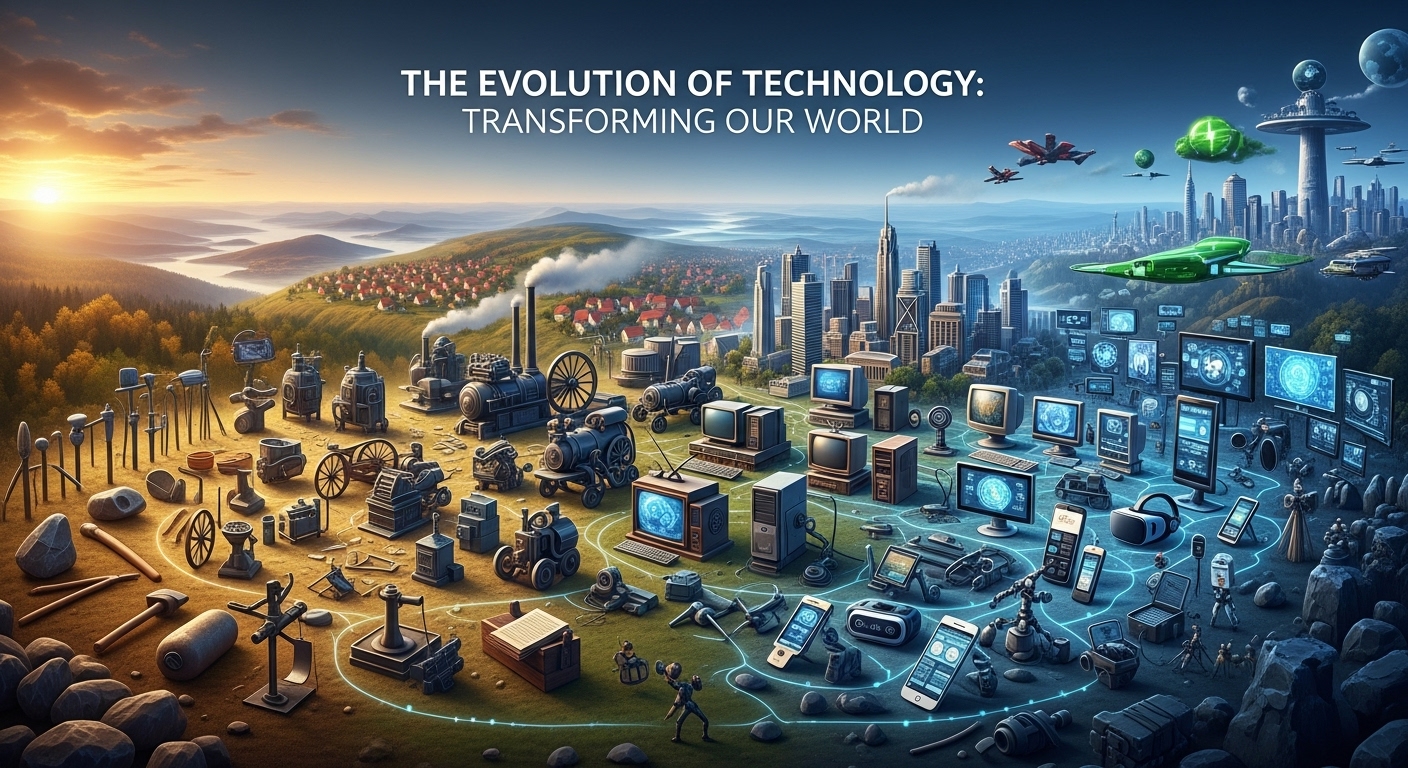
Technology has become the cornerstone of modern civilization. From the way we communicate to the methods we use to work, learn, and entertain ourselves, technological advancements have reshaped virtually every aspect of human life. Over the past century, the pace of innovation has accelerated dramatically, making it difficult to imagine a world without the devices and systems that now underpin our daily routines. In this blog post, we will explore the evolution of technology, its impact on society, emerging trends, and the potential future that lies ahead.
The Early Stages of Technological Innovation
The history of technology is a testament to human ingenuity. Early civilizations relied on simple tools and inventions to solve basic problems, such as improving agriculture, building shelters, and creating communication systems. The invention of the wheel, the plow, and early writing systems laid the foundation for more complex developments in engineering, mathematics, and science. These innovations allowed humans to manipulate their environment more effectively, leading to the rise of civilizations and complex societies.
During the Industrial Revolution in the 18th and 19th centuries, technology began to accelerate at an unprecedented rate. The introduction of machinery transformed manufacturing, transportation, and agriculture. Steam engines powered factories and trains, while telegraphs and railroads facilitated communication and commerce across vast distances. This period marked the transition from manual labor and agrarian economies to industrialized societies, setting the stage for the technological explosion of the 20th century.
The Digital Revolution and Its Impact
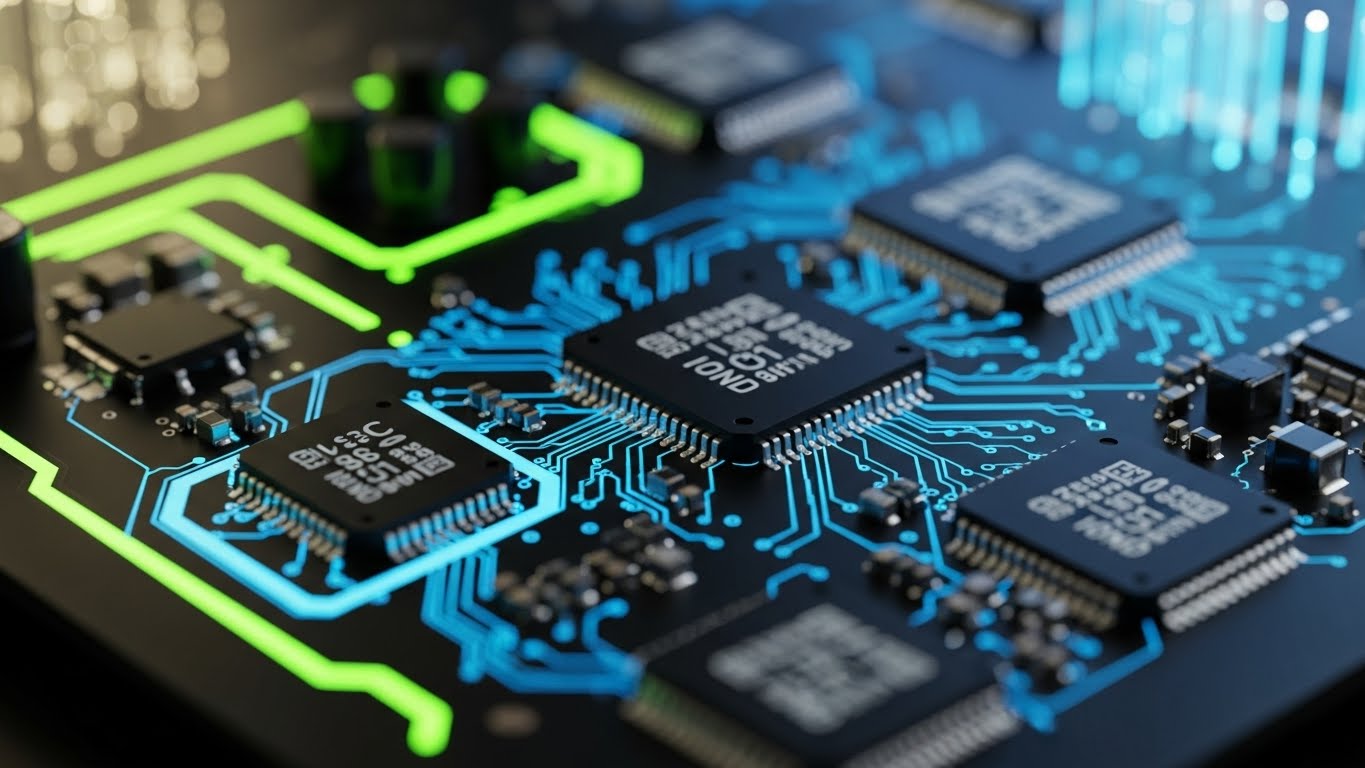
The 20th century ushered in the digital revolution, which has arguably had the most profound impact on human life. The invention of the transistor, the development of microprocessors, and the creation of computers revolutionized the way humans process and share information. Computers evolved from room-sized machines used by large organizations to personal devices that could fit on a desk, transforming both work and personal life.
The advent of the internet further accelerated this transformation. It created a global network that connected individuals, businesses, and governments in real-time, enabling instant communication and access to information. Email, online marketplaces, social media platforms, and search engines reshaped how people interact, learn, and conduct business. The digital revolution democratized information and created opportunities for innovation across industries, from healthcare to entertainment to finance.
Technology in Communication
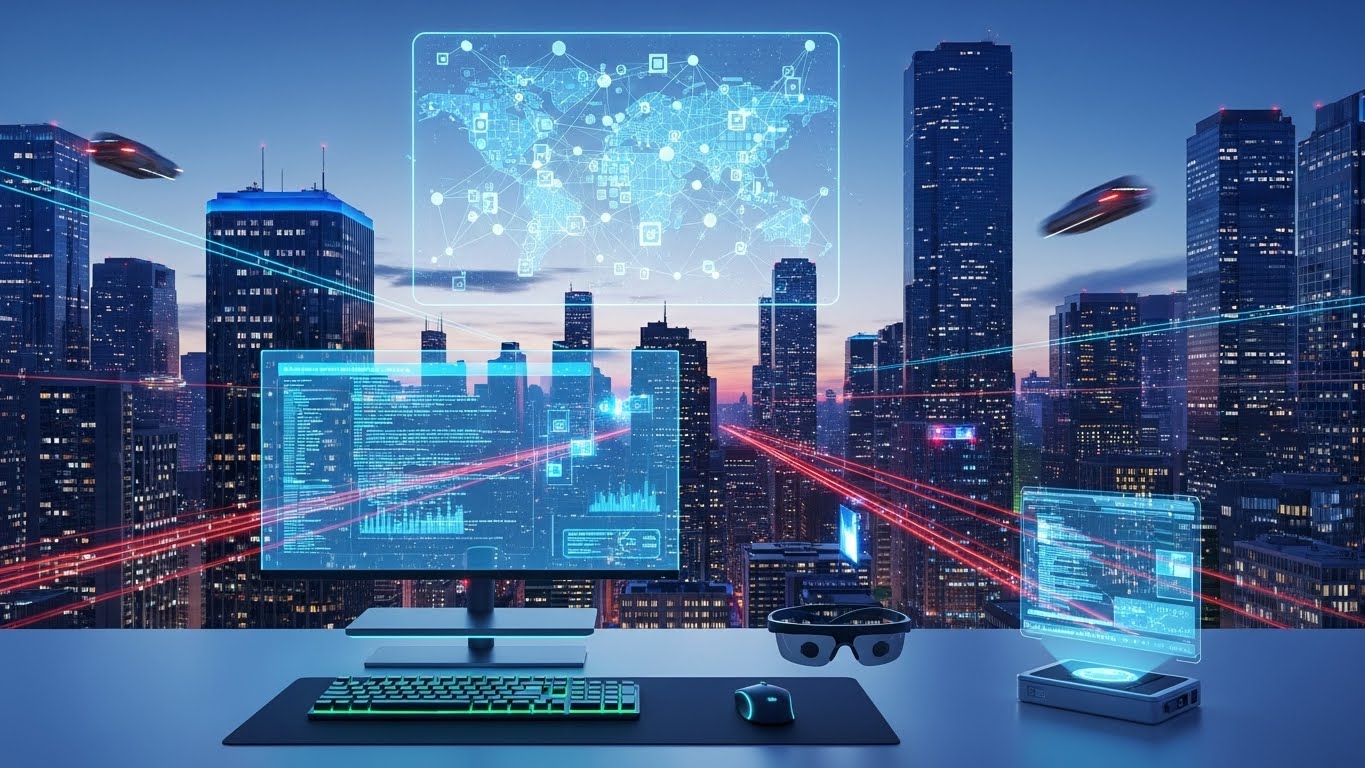
Communication has always been a primary driver of technological progress. Early forms of communication, such as smoke signals, carrier pigeons, and handwritten letters, gave way to telegraphs and telephones. The digital era transformed communication once again, with the rise of mobile devices, instant messaging apps, and video conferencing technologies.
Today, platforms that facilitate instant global communication have become indispensable. Businesses rely on virtual meetings to collaborate across continents, students attend online classes, and social media enables people to connect with others across the world. Emerging technologies such as augmented reality and virtual reality are further transforming communication by creating immersive experiences that make digital interactions feel more personal and tangible.
The Role of Artificial Intelligence
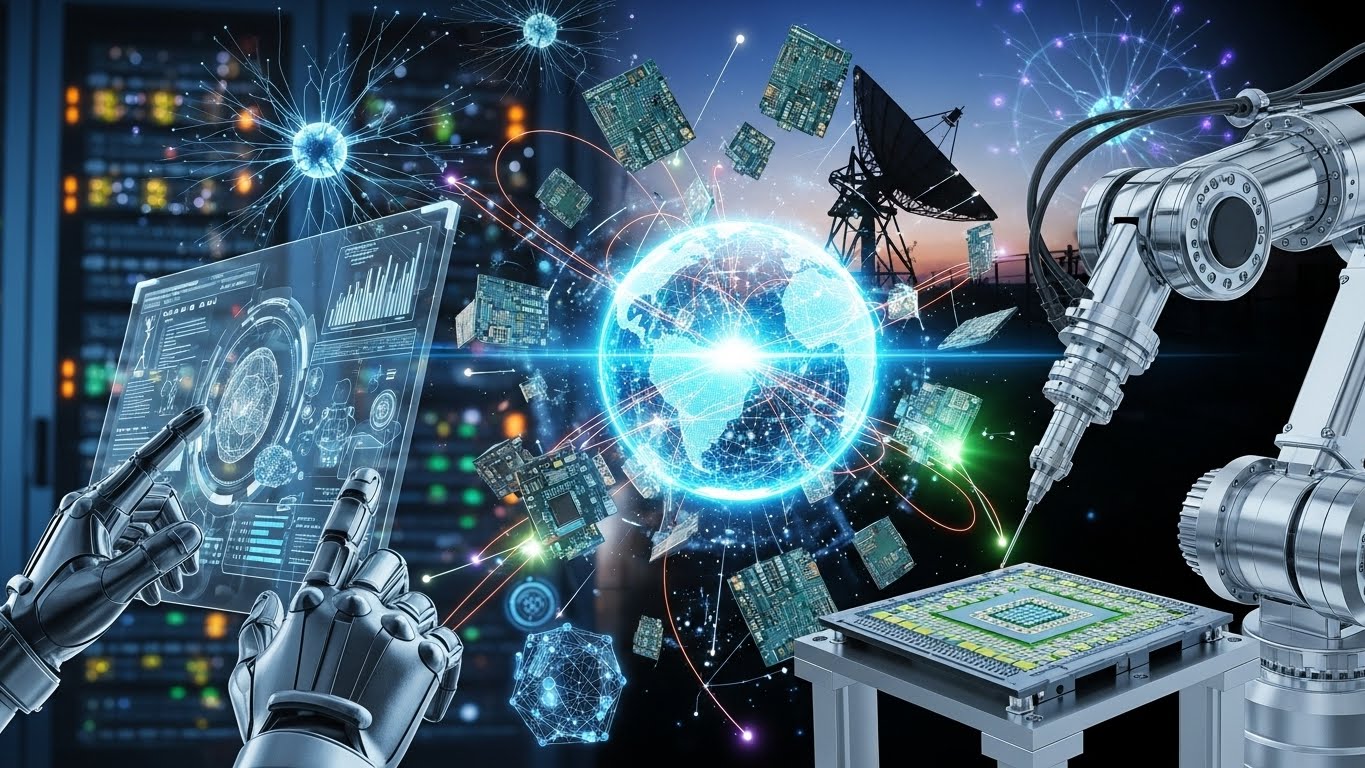
Artificial Intelligence, or AI, represents one of the most exciting frontiers in modern technology. AI encompasses a range of systems capable of learning from data, making decisions, and performing tasks that traditionally required human intelligence. Machine learning, natural language processing, and computer vision are subsets of AI that have found applications in diverse areas, from autonomous vehicles to personalized recommendations on streaming platforms.
The potential of AI is vast, but it also raises ethical and practical considerations. While AI can increase efficiency and reduce human error, it can also disrupt labor markets and create privacy concerns. As AI continues to evolve, society must balance innovation with responsible use, ensuring that technology benefits humanity without causing unintended harm.
Technological Advancements in Healthcare
Healthcare is one of the sectors that has experienced profound transformation through technology. Medical imaging, robotic surgery, and telemedicine have revolutionized diagnosis, treatment, and patient care. Wearable devices and remote monitoring technologies allow patients to track vital signs and communicate with healthcare providers in real-time, improving preventive care and chronic disease management.
Moreover, biotechnology and genomics are paving the way for personalized medicine, where treatments can be tailored to an individual’s genetic makeup. Advances in artificial intelligence and data analytics also enable faster drug discovery, improving the speed at which new therapies reach patients. These developments demonstrate how technology not only enhances healthcare delivery but also extends life expectancy and improves the quality of life for millions of people.
The Influence of Technology on Education
Education has undergone a significant transformation in the digital age. Traditional classrooms are being complemented by online learning platforms, digital textbooks, and interactive tools that make education more accessible and engaging. Technology enables students to learn at their own pace, access resources from anywhere in the world, and engage in collaborative projects without geographic limitations.
Artificial intelligence also plays a role in personalizing education. Adaptive learning systems can assess a student’s strengths and weaknesses and provide tailored lessons to improve understanding. Virtual reality and augmented reality create immersive learning experiences, allowing students to explore historical events, scientific phenomena, and complex concepts in ways that were previously impossible. Technology continues to break down barriers to education, making knowledge more inclusive and widely available.
The Impact of Technology on Entertainment
The entertainment industry has been radically reshaped by technological innovation. Streaming services, digital media, video games, and virtual reality experiences have transformed how people consume and interact with entertainment. Traditional forms of media, such as television and cinema, coexist with interactive platforms that allow users to participate actively rather than passively.
Video games have evolved from simple pixelated experiences to highly immersive virtual worlds. Advances in graphics, artificial intelligence, and motion capture technology enable realistic gameplay and interactive storytelling. Music, films, and literature have also embraced digital platforms, allowing creators to reach global audiences instantly. Technology has not only enhanced the quality of entertainment but also diversified the ways in which people experience and share it.
Transportation and Mobility Innovations
Transportation is another area where technology has driven profound change. From the invention of the automobile to the development of high-speed trains and electric vehicles, technology has continually improved how humans move. Autonomous vehicles and advanced navigation systems promise to redefine mobility by increasing safety, efficiency, and accessibility.
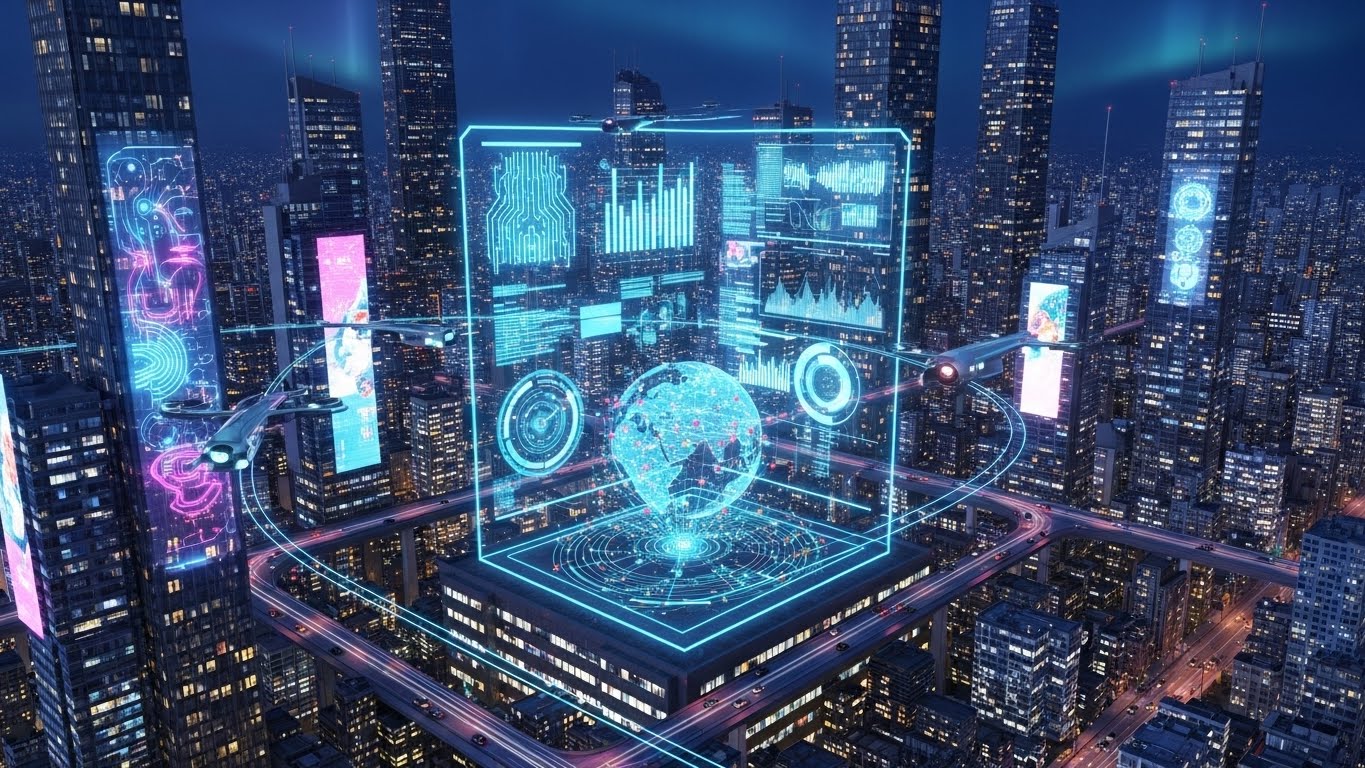
Moreover, technology is addressing environmental concerns associated with transportation. Electric and hybrid vehicles, renewable energy sources, and smart city infrastructure are reducing carbon emissions and promoting sustainable mobility. Innovations in logistics and supply chain management also ensure the rapid and efficient movement of goods, supporting global trade and commerce.
The Role of Technology in Business and Industry
Business and industry have been transformed by digital technology. Automation, cloud computing, and data analytics have streamlined operations, reduced costs, and enhanced decision-making processes. Companies can now reach global markets, analyze consumer behavior, and adapt to changing trends more efficiently than ever before.
Emerging technologies such as blockchain, the Internet of Things, and AI-driven analytics are redefining how businesses operate. Blockchain provides secure and transparent transactions, IoT enables real-time monitoring of assets, and AI assists in predictive analysis and customer engagement. Technology empowers businesses to innovate continuously, remain competitive, and respond quickly to market demands.
Cybersecurity in the Digital Era
As technology becomes more pervasive, cybersecurity has emerged as a critical concern. The rise of digital platforms and connected devices increases the potential for cyberattacks, data breaches, and privacy violations. Protecting sensitive information, ensuring system integrity, and preventing unauthorized access are essential for individuals, businesses, and governments.
Advancements in cybersecurity technologies, such as encryption, multi-factor authentication, and artificial intelligence-based threat detection, provide robust defenses against malicious activities. However, the constantly evolving nature of cyber threats requires continuous vigilance and adaptation. Effective cybersecurity measures are not just technical solutions but also involve education, policy, and ethical practices to safeguard the digital ecosystem.
The Future of Technology
Looking ahead, the future of technology promises even more profound transformations. Emerging fields such as quantum computing, nanotechnology, biotechnology, and space exploration are poised to redefine what is possible. Quantum computing could solve problems that are currently beyond the reach of classical computers, while nanotechnology could revolutionize medicine, energy, and manufacturing.
Artificial intelligence is expected to become increasingly sophisticated, enabling fully autonomous systems, smarter decision-making, and enhanced human-computer collaboration. Space technology continues to advance, with missions to Mars, satellite-based internet networks, and space tourism becoming tangible possibilities. As these technologies mature, they will raise new ethical, social, and economic questions that humanity must address.
Ethical and Societal Considerations
While technology offers tremendous benefits, it also presents ethical challenges. Issues such as data privacy, algorithmic bias, environmental impact, and the digital divide require careful consideration. Society must ensure that technology is developed and deployed in ways that promote fairness, equity, and sustainability.
The digital divide, for instance, highlights disparities in access to technology and digital literacy. Ensuring that all individuals can benefit from technological advancements is critical for inclusive growth. Additionally, ethical frameworks must guide the development of AI and automation to prevent unintended consequences, such as job displacement or biased decision-making. Responsible innovation is key to maximizing the positive impact of technology while minimizing potential harms.
Conclusion
Technology has evolved from simple tools to complex systems that shape nearly every aspect of human life. Its impact on communication, healthcare, education, entertainment, transportation, and business is profound and continues to grow. Emerging technologies such as artificial intelligence, quantum computing, and biotechnology promise even greater transformations in the future.
However, alongside these opportunities come responsibilities. Ethical considerations, cybersecurity, and equitable access must be addressed to ensure that technology serves humanity positively. By embracing innovation thoughtfully and responsibly, society can harness the power of technology to solve challenges, create opportunities, and improve the quality of life for people around the world. The journey of technological progress is far from over, and the possibilities ahead are limited only by human imagination and ingenuity.