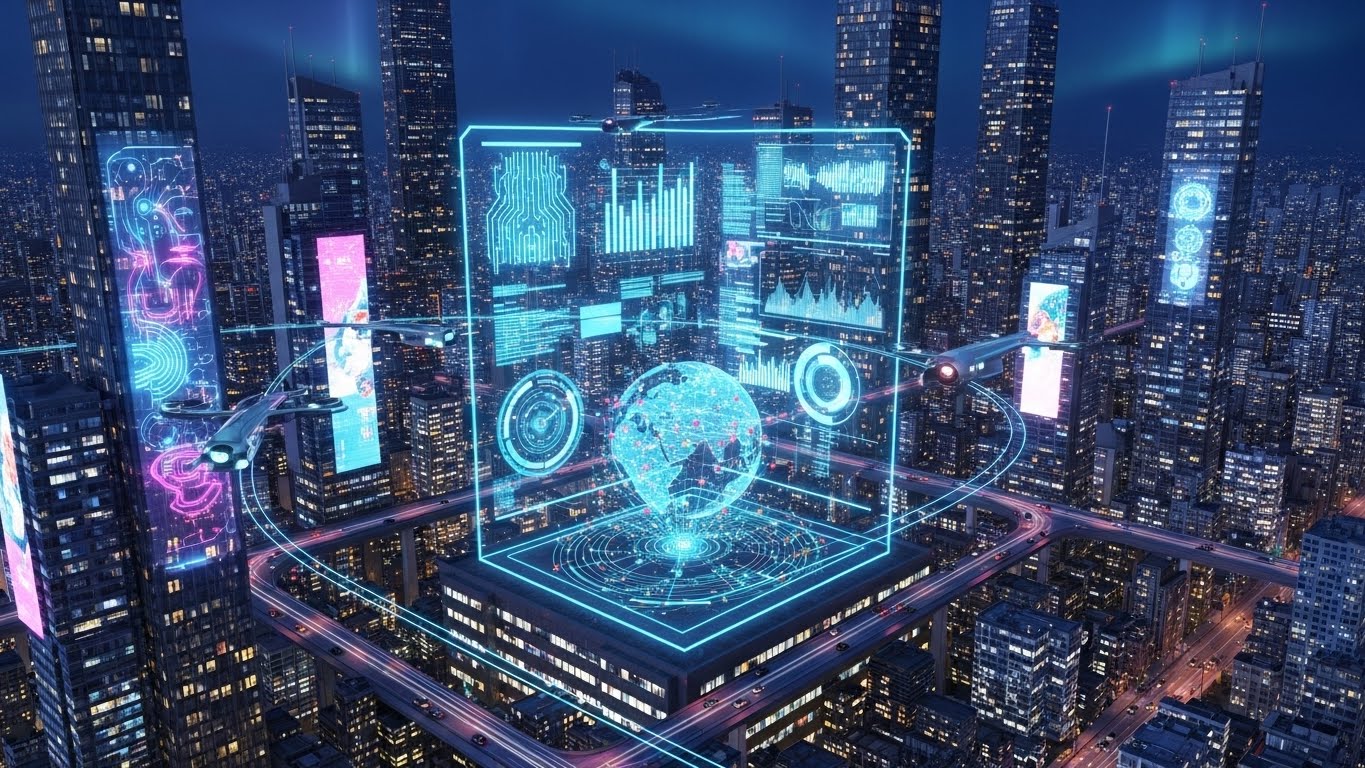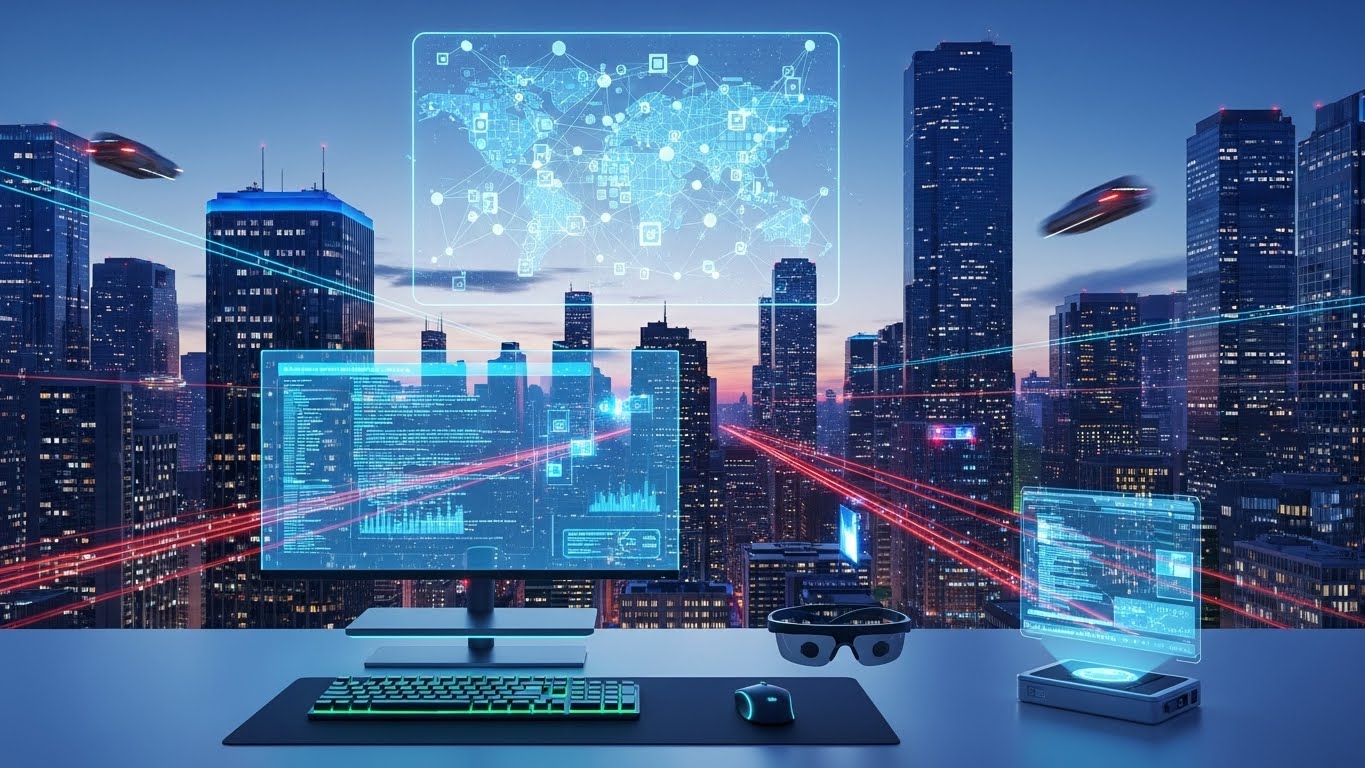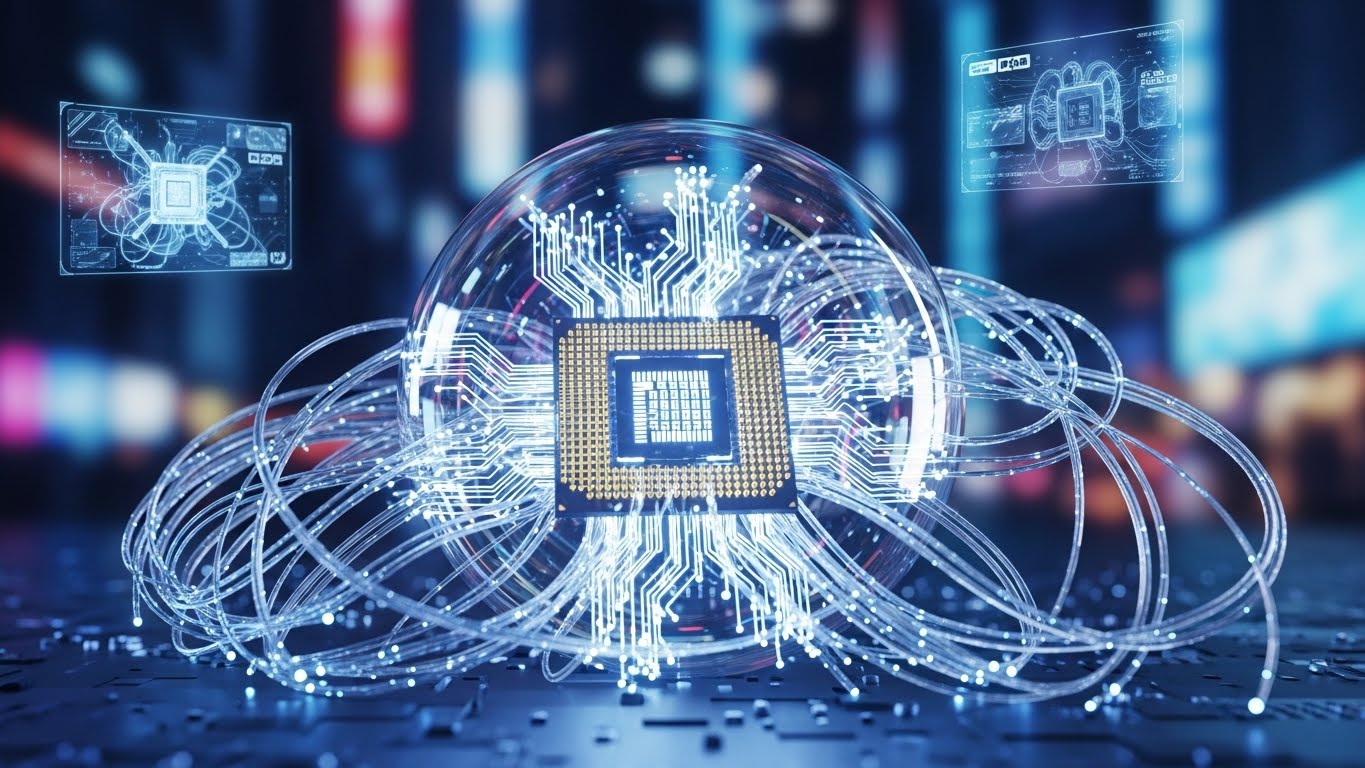

Technology has become an inseparable part of our daily lives, revolutionizing every aspect of how we live, work, and interact. From smartphones that keep us connected to the internet of things (IoT) that powers smart homes, the rapid pace of technological innovation is transforming the world in ways we couldn’t have imagined just a few decades ago. As we move further into the 21st century, we stand on the precipice of a new era where advancements in artificial intelligence (AI), quantum computing, biotechnology, and other fields promise to change our lives in even more profound ways.
In this blog post, we will explore how technology is evolving, its impact on various industries, and the exciting trends that are shaping our future. From the integration of AI and machine learning to the promise of digital health and the challenges of cybersecurity, we will cover it all.
The Evolution of Artificial Intelligence: From Science Fiction to Everyday Reality
The Rise of Smart Machines
Artificial Intelligence (AI) has long been a topic of fascination, often portrayed in science fiction as an advanced technology that could reshape the world. However, AI is no longer confined to the pages of a novel or the scenes of a movie. Today, AI is a driving force behind many of the technological advances we see in our daily lives. From voice assistants like Siri and Alexa to recommendation algorithms used by Netflix and Spotify, AI has become an integral part of our digital experience.
Machine learning, a subset of AI, is one of the most impactful technologies in this space. By enabling systems to learn from data and improve over time, machine learning is transforming industries from healthcare to finance. In healthcare, for example, AI is being used to analyze medical images, identify early signs of disease, and personalize treatment plans. In finance, machine learning algorithms can predict market trends and assist in fraud detection.
But perhaps the most exciting development in AI is its potential for automation. As AI systems become more sophisticated, they will be able to perform tasks that were once thought to require human intelligence, such as driving cars, writing news articles, and even creating music. While this could lead to increased efficiency and productivity, it also raises important questions about job displacement and the future of work.
The Impact on Our Jobs and Economy
The widespread adoption of AI and automation technologies is expected to have a profound impact on the job market. While some industries will benefit from increased productivity and efficiency, others may face significant disruption. Jobs that involve repetitive tasks, such as those in manufacturing, retail, and customer service, are most at risk of being automated. According to some estimates, up to 30% of jobs in the United States could be automated by 2030.
However, AI is also expected to create new job opportunities in fields like data science, machine learning engineering, and robotics. These roles will require individuals to have specialized skills and expertise, leading to a shift in the types of education and training that will be in demand.
For businesses, the challenge will be in navigating this transition. While AI and automation have the potential to increase efficiency and lower costs, organizations will need to find ways to upskill their workforce and ensure that employees are prepared for the new types of jobs that will emerge.
Quantum Computing: Unlocking the Power of the Future
What is Quantum Computing?
While AI is the technology capturing most of the headlines, another emerging field with the potential to revolutionize industries is quantum computing. Unlike classical computers, which process information in binary (0s and 1s), quantum computers use qubits, which can exist in multiple states simultaneously. This allows quantum computers to process vast amounts of data in parallel, making them exponentially more powerful than traditional computers for certain types of calculations.
Quantum computing has the potential to solve problems that are currently beyond the reach of classical computers. For example, quantum computers could be used to simulate complex chemical reactions, speeding up drug discovery and material science research. They could also be used to optimize supply chains, improve financial modeling, and enhance cryptography.
However, quantum computing is still in its early stages, and there are many technical challenges that need to be addressed before it can become mainstream. The current generation of quantum computers is highly sensitive to external interference, which makes them difficult to scale and maintain. Nevertheless, major tech companies like IBM, Google, and Microsoft are investing heavily in quantum research, and breakthroughs are expected in the coming years.
The Potential Impact on Industries
The impact of quantum computing on industries such as healthcare, finance, and logistics could be transformative. In healthcare, quantum computers could simulate complex biological systems, leading to faster drug discovery and personalized medicine. In finance, quantum algorithms could help model complex financial markets and identify hidden risks. In logistics, quantum computing could optimize supply chain operations, reducing costs and improving efficiency.
While quantum computing is still in the experimental phase, its potential to solve problems that are currently unsolvable makes it one of the most exciting areas of technological innovation.
The Internet of Things (IoT): Connecting Everything
A Smart World
The Internet of Things (IoT) is another technology that is rapidly transforming the way we live. IoT refers to the network of connected devices that communicate with each other and share data. These devices can range from smart thermostats and refrigerators to wearable fitness trackers and connected cars. The goal of IoT is to create a more interconnected and intelligent world where devices work together to improve efficiency, convenience, and quality of life.
For example, smart homes are becoming increasingly popular, where devices like lighting, heating, and security systems can be controlled remotely via a smartphone app. In healthcare, IoT-enabled medical devices are allowing doctors to monitor patients’ vital signs in real-time, providing better care and early intervention.
IoT is also being used in industries like agriculture, manufacturing, and logistics to improve operational efficiency. In agriculture, IoT sensors can monitor soil moisture and weather conditions, helping farmers optimize irrigation and crop yields. In manufacturing, IoT devices are used to monitor equipment health and predict when maintenance is needed, reducing downtime and improving productivity.
Privacy and Security Challenges
While IoT holds immense promise, it also presents significant challenges, particularly in terms of privacy and security. As more devices become connected to the internet, the potential for cyberattacks increases. Hackers could target IoT devices to gain unauthorized access to personal information, disrupt services, or even control critical infrastructure.
To address these concerns, manufacturers need to prioritize security when designing IoT devices. This includes implementing encryption, secure authentication protocols, and regular software updates to protect against vulnerabilities. Additionally, consumers must be educated about the risks of IoT and take steps to secure their own devices, such as using strong passwords and keeping software up to date.
Biotechnology and Health Tech: The Next Frontier
Revolutionizing Healthcare
The convergence of technology and biology is leading to groundbreaking advances in healthcare. Biotechnology and health tech are transforming everything from drug development to disease prevention and personalized medicine.
One of the most exciting developments is the use of artificial intelligence and machine learning in healthcare. These technologies are being used to analyze medical data, such as genetic information, medical images, and patient records, to identify patterns and predict health outcomes. AI-powered tools can assist doctors in diagnosing diseases, personalizing treatment plans, and even predicting which patients are at risk of developing certain conditions.
Gene editing technologies like CRISPR are also advancing rapidly, offering the potential to treat genetic disorders by editing the DNA of affected individuals. This could lead to the development of therapies for previously untreatable diseases, such as sickle cell anemia and cystic fibrosis.
The Rise of Telemedicine
Telemedicine is another technology that has gained significant traction, particularly in the wake of the COVID-19 pandemic. Telemedicine allows patients to consult with doctors remotely, using video calls or messaging platforms. This has made healthcare more accessible, especially for those in rural or underserved areas.
Telemedicine is expected to continue growing as healthcare systems around the world embrace digital solutions to improve patient care and reduce costs. In the future, we may see even more advanced applications of telemedicine, such as remote surgeries conducted with the assistance of robotic systems.
Conclusion: A World Transformed by Technology
The future of technology is full of promise and potential. As AI, quantum computing, IoT, and biotechnology continue to evolve, we are likely to see dramatic changes in how we live, work, and interact. These innovations will create new opportunities and challenges, requiring us to rethink everything from our education systems to our healthcare infrastructure.
While technological advancements can bring about significant benefits, they also raise important ethical and social questions. How do we ensure that these technologies are used responsibly? How do we address the challenges of automation and job displacement? And how do we protect our privacy in an increasingly connected world?
As we move forward into this new era, one thing is clear: technology will continue to shape our world in ways we have yet to fully comprehend. The key to a successful future will be ensuring that these advancements are harnessed for the greater good, improving lives and creating a more equitable, sustainable world for all.