
Introduction
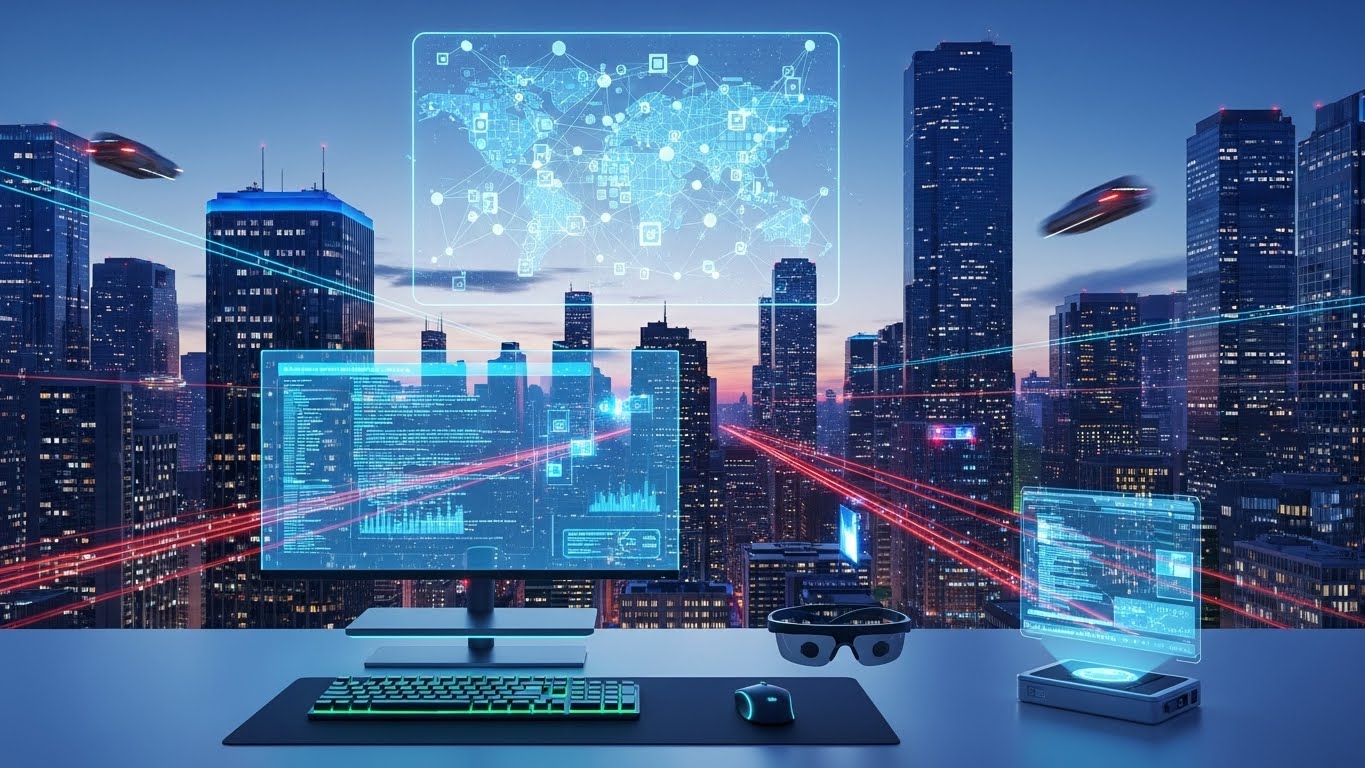
Technology has become the heartbeat of the modern world. It influences every aspect of human existence, from how we communicate and work to how we think, create, and even dream. The digital revolution, once considered a distant future, is now our everyday reality. From artificial intelligence to quantum computing, from robotics to the Internet of Things, technological innovation is quietly reshaping the foundation of societies across the globe. This silent revolution is not marked by noise or chaos but by the seamless integration of technology into the smallest details of life.
The Evolution of Technology
To understand where technology is heading, it is essential to trace how it evolved. In the early days, human innovation revolved around survival — creating tools, fire, and shelter. The industrial revolution brought machinery, electricity, and transportation that changed the face of civilization. Then came the digital revolution, which introduced computers, the internet, and mobile phones, connecting humanity in unprecedented ways. Today, we stand on the brink of a new era — the era of intelligent automation, where machines are no longer just tools but partners in progress.
Artificial Intelligence: The Brain Behind Modern Innovation
Artificial intelligence, often referred to as AI, is one of the most transformative forces of this century. It enables machines to learn, analyze, and make decisions like humans but with far greater speed and accuracy. AI is used in countless industries, from healthcare to finance and from education to entertainment. Intelligent algorithms can now diagnose diseases, detect fraud, predict consumer behavior, and even create art.
However, the power of AI goes beyond automation. It represents a shift in how we approach problem-solving. Instead of relying solely on human intuition, we now have access to data-driven insights that make decision-making more precise. Yet, this advancement also raises ethical questions. Who controls AI? How do we ensure that its use benefits all humanity and not just a select few? These are the challenges society must face as we move deeper into the age of intelligence.
The Internet of Things: A Connected World
The Internet of Things, or IoT, is another major pillar of the technological revolution. It refers to the network of interconnected devices that communicate and share data without human intervention. Smart homes, wearable devices, self-driving cars, and connected cities are all products of IoT.
This technology brings convenience and efficiency. A smart refrigerator can track groceries and notify you when supplies run low. A smart thermostat can adjust the temperature based on your habits. In agriculture, IoT sensors monitor soil and weather conditions to maximize crop yield.
The real beauty of IoT lies in its potential to create a fully connected world where devices anticipate human needs before they are even expressed. However, with great connectivity comes great responsibility. Data privacy and security are major concerns. As billions of devices connect, protecting information from misuse becomes an increasingly difficult task.
Quantum Computing: The Next Frontier
While classical computers have served humanity well, their limitations are becoming clear in the face of growing data and complexity. Quantum computing offers a glimpse into the next stage of computational evolution. Instead of using bits that represent either 0 or 1, quantum computers use qubits, which can exist in multiple states simultaneously. This allows them to process enormous amounts of data in a fraction of the time.
The implications are profound. Quantum computing could revolutionize fields like cryptography, drug discovery, financial modeling, and artificial intelligence. Problems that take supercomputers years to solve could be completed in seconds. Though still in its early stages, this technology holds the potential to reshape industries and redefine what is possible in computation.
The Rise of Automation and Robotics
Automation has existed for decades, but modern robotics is taking it to new heights. Robots are no longer confined to assembly lines. They now perform surgeries, deliver packages, assist in disaster recovery, and even explore outer space. With the help of machine learning and AI, robots are becoming more adaptable and intelligent.
In manufacturing, robotic systems improve precision and productivity. In healthcare, robotic surgeons assist doctors with complex procedures. In homes, robotic assistants help with cleaning, cooking, and caregiving. The benefits are undeniable, but so are the social implications. Many fear that automation will lead to job displacement. While some roles may disappear, new opportunities will emerge in programming, maintenance, and human-robot collaboration.
The Future of Communication
The evolution of communication has been one of the most visible aspects of technological advancement. From handwritten letters to instant messages and holographic calls, the transformation is astonishing. Modern communication technologies such as 5G, augmented reality, and virtual reality are creating immersive experiences that blur the lines between physical and digital interaction.
In the coming years, communication will likely become even more integrated with our senses. Imagine virtual meetings that feel as real as face-to-face conversations, or translation devices that allow people from different languages to communicate effortlessly. This level of connectivity will foster global collaboration, cultural exchange, and a sense of unity across borders.
The Role of Data in the Digital Age
Data has become the new currency of the modern world. Every digital interaction produces data, from online purchases to social media activity. Companies and governments use this information to understand behavior, predict trends, and make informed decisions. Big data analytics transforms this raw information into valuable insights that drive innovation.
However, the dependence on data also introduces concerns about privacy, surveillance, and manipulation. Ethical data management is crucial to ensure that the digital economy remains transparent and fair. As users, people must become aware of how their data is used and take steps to protect it.
Sustainable Technology: Balancing Progress with Responsibility
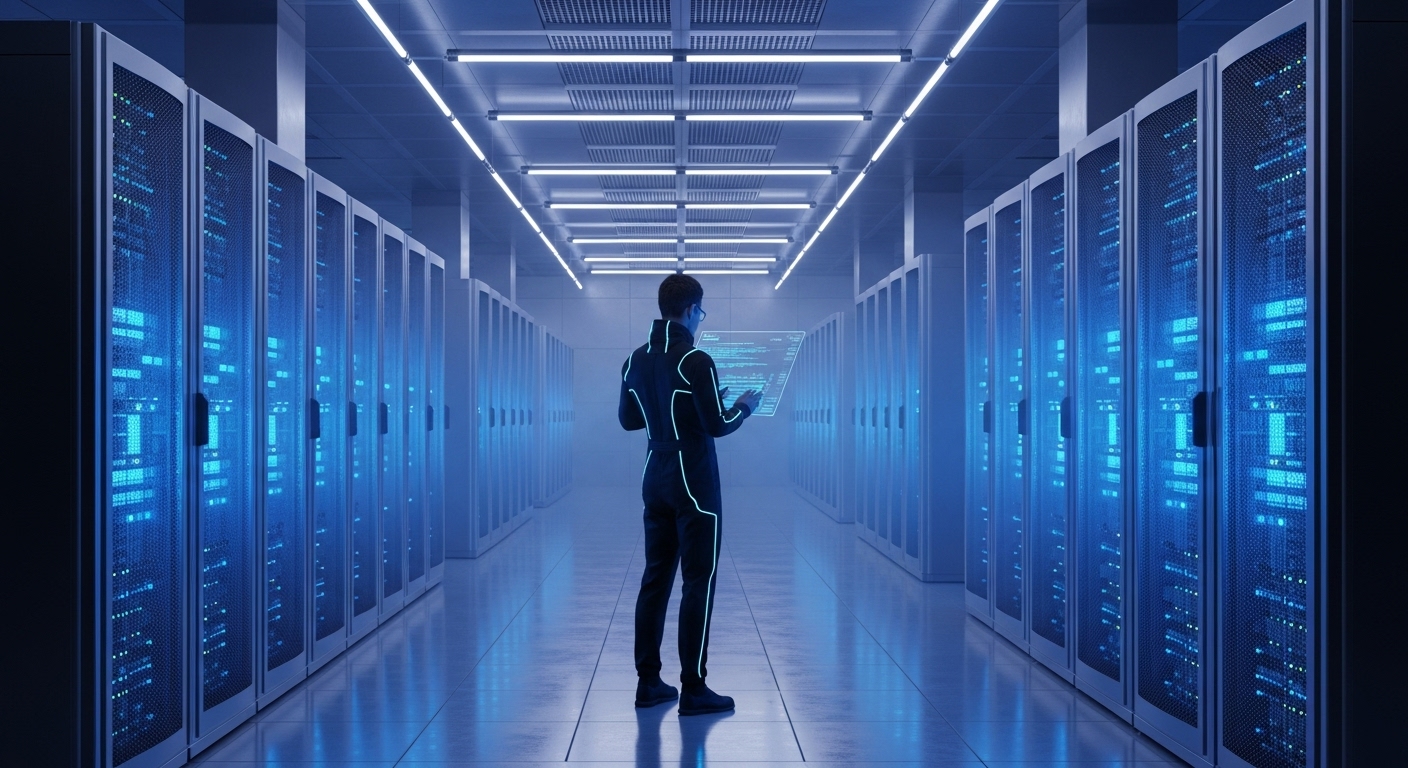
While technology propels humanity forward, it also poses challenges to the environment. The production and disposal of electronic devices contribute to pollution, and massive data centers consume significant energy. Sustainable technology aims to minimize this impact by promoting eco-friendly designs, renewable energy use, and recycling.
Green technologies such as solar panels, electric vehicles, and biodegradable materials are part of this movement. The future of tech innovation must be guided by sustainability, ensuring that progress does not come at the cost of the planet. Governments, corporations, and individuals must collaborate to achieve this balance.
The Human Element in a Digital World
Despite the rise of machines and automation, the human element remains central to technological progress. Innovation begins with imagination, creativity, and empathy — qualities that machines cannot replicate. Technology should serve humanity, not replace it. The goal is to create a future where human potential is enhanced, not diminished.
Education plays a vital role in this transformation. As technology evolves, so must our skills. Lifelong learning, digital literacy, and adaptability are key to thriving in a constantly changing landscape. The workforce of the future will need to embrace technology as a partner rather than a competitor.
The Ethical and Social Impact of Technology
The influence of technology extends beyond convenience and efficiency; it affects values, relationships, and societal structures. Social media, for instance, connects people globally but also contributes to misinformation and mental health issues. Artificial intelligence raises concerns about bias, discrimination, and job inequality.
To navigate these challenges, ethical frameworks must guide technological development. Governments must create policies that ensure fairness, transparency, and accountability. Companies should prioritize the well-being of users over profits. Individuals must use technology responsibly and critically.
The Road Ahead: Embracing the Unknown
The future of technology is filled with uncertainty and possibility. As artificial intelligence becomes more advanced, as quantum computing matures, and as humanity explores new frontiers like space colonization and human enhancement, the question arises — what does it mean to be human in a world of machines?
The answer may lie in balance. Technology should not replace human essence but amplify it. The silent revolution that surrounds us is not about creating artificial worlds but about redefining our relationship with innovation. It is about using intelligence, both human and artificial, to build a future that is smarter, fairer, and more compassionate.
Conclusion
Technology has always been a reflection of human ambition. It mirrors our desire to explore, to create, and to evolve. The world we live in today is the result of centuries of innovation, and the world of tomorrow will be shaped by the choices we make now. As emerging technologies continue to unfold, humanity stands at a crossroads — between progress and responsibility, between power and ethics.
The silent revolution is not just about machines or algorithms; it is about people. It is about how we choose to harness technology to enhance our lives and protect our planet. The future belongs not to those who resist change but to those who shape it with wisdom and purpose.